Garden Clearance in Eltham

Garden clearance in Eltham should leave outdoor space ready for the next stage, whether that means tidying a neglected plot, removing cuttings after a seasonal cut-back, or clearing bulky garden waste that no longer needs to stay on site. We focus on practical clearance work that helps gardens feel usable again, with the main emphasis on collecting, loading and removing material in a straightforward way. If you need the work handled carefully and the site left orderly, our garden clearance service is set up for that purpose.
We deal with a wide range of common outdoor debris, including branches, hedge trimmings, leaves, soil in manageable quantities, broken plant supports and old garden furniture that has reached the end of its life. The service is useful when a garden has become cluttered over time, after pruning projects, or before landscaping, maintenance or sale preparation. For a fuller look at what can be included, see our garden clearance page, which outlines the service in more detail.
In many cases the most helpful approach is simply to separate what stays from what goes. That might mean identifying reusable items, deciding whether timber or metal needs special handling, and making sure the access route is clear enough for the team to work efficiently. If you already know the main items that need removing, it can make the quotation stage simpler, but the essential aim remains the same: clear the unwanted material without adding hassle.
Garden waste removal and bulky outdoor items

Garden waste removal is not limited to green cuttings. A proper clearance may include plant pots, broken fencing sections, old edging, damaged decorative items, compost sacks, and other bulky materials that build up in sheds, corners and side return areas. A mixed load often needs a practical plan so that recyclable materials, green waste and general garden rubbish can be sorted with care rather than tipped into one catch-all pile. That is where a clear, methodical service makes a difference.
Some outdoor clearances are best approached as a one-off tidy-up, while others are part of a larger property refresh. If ivy, brambles or self-seeded growth has spread into hard-to-reach areas, the work may involve more than just shifting loose waste. It can include gathering cut material from borders, lifting unwanted sacks, and removing items that have been left outside for too long. The aim is always to return a more workable space, not simply to shift clutter from one corner to another.
When the garden contains a mixture of waste types, the quote is usually influenced by the volume of material, the ease of access and the time needed to load everything safely. If you are comparing options, it is sensible to think about whether the job is mainly green waste, mixed rubbish or a fuller outdoor tidy. You can ask for a quote when you are ready, and include as much detail as you can about the items involved.
Hedge cuttings, branches and seasonal clearances

Seasonal work often produces the largest volume of loose garden material. Hedge cuttings, prunings, branch piles and leaf fall can quickly dominate a path, lawn or patio if they are left in place after gardening work has finished. Clearing that material promptly keeps the outside area easier to use and prevents the job from spreading into multiple smaller tasks. We can remove cuttings from routine maintenance, heavy pruning sessions and larger garden tidy-ups.
Branchy waste needs a slightly different approach from softer green cuttings. It is bulkier, less compressible and can require more careful loading so that sharp ends or awkward shapes do not cause problems. In some cases the best result comes from separating woody material from softer waste before removal, especially where there is a large stack or a mixture of damp and dry items. This sort of practical distinction helps the work stay safe and efficient.
For customers planning a clearance after a seasonal cut-back, useful preparation usually comes down to access and clarity. It helps to know whether the waste is piled at the front, rear or side of the property, whether there are narrow paths, and whether any items should be kept back for reuse. Please get in touch for a quotation if you want the work assessed on the basis of the actual material to be cleared.
Clearing sheds, corners and accumulated outdoor clutter
Over time, many gardens collect more than just plant waste. Broken tools, cracked pots, damaged bags, children’s outdoor toys, old planters and miscellaneous clutter can end up in a shed, under a lean-to or beside the fence. A good garden clearance does not treat those items as an afterthought. It deals with them as part of the wider space, so the area can be made usable rather than merely tidied around the edges.
Where outdoor clutter has built up, a careful sort is often worthwhile. Some items may be suitable to keep, some may need to be separated for recycling, and some can be removed as general waste if they are beyond repair. This is particularly useful when the garden has been used for storage over several seasons and the boundary between garden material and household overflow has become blurred. A methodical clearance restores order without forcing you to manage each item alone.
Useful decisions at this stage are often simple ones: whether the job is confined to visible items or whether the team should also clear enclosed spaces like sheds, and whether there are any fragile fixtures to avoid. You do not need to prepare a full inventory, but a short note about the main categories of waste can help. If you are ready to move ahead, an enquiry can be the next step.
What affects the quotation
Pricing for garden clearance usually depends on a handful of practical factors rather than a fixed formula. The most important are the type of material, the amount to be removed, and how straightforward it is to access the waste. A compact pile near a driveway is very different from mixed outdoor clutter spread across a large rear garden with narrow access, so the quotation has to reflect the actual conditions on site. That is why accurate information matters more than rough assumptions.
Other details may also matter, such as whether the garden contains heavy objects, whether waste must be carried some distance, and whether the clearance includes both green material and non-garden rubbish. Where the job is more involved, it can be helpful to know if the waste has already been bagged, stacked or separated, because that affects loading time. In short, the cleaner the information, the more useful the quotation can be.
If you want a clearer idea before proceeding, it is often best to describe the space as it is now rather than the version you would like it to become. That means mentioning the main items, how much of the garden is affected and any access limits that could slow the work down. Our pricing and quotes page is a useful place to start when you want to understand how a quotation is put together.
Green waste, recycling and responsible sorting
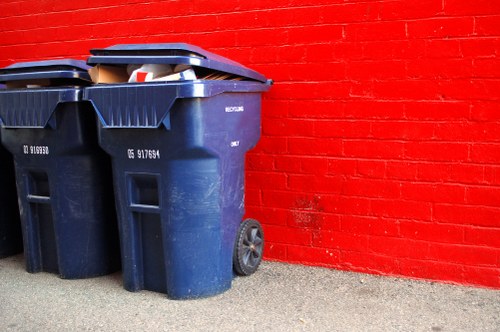
A well-run garden clearance is not just about removing waste from sight. It should also handle different materials sensibly. Green waste such as cuttings, leaves and small branches can often be grouped separately from mixed garden rubbish, while certain metal, timber or reusable items may follow a different route again. Responsible sorting helps keep the clearance organised and supports a cleaner finish overall, especially where the load contains several different kinds of material.
Garden clearances often involve items that are not obviously “garden waste†at all, such as old trellis, damaged bins, cracked tubs or rusted supports. Those pieces may be awkward to stack neatly, which is why a practical loading sequence matters. Where the job includes a wider mix of outdoor material, separating items during the clearance can save time later and reduce confusion about what has been removed. That approach is useful for both small tidy-ups and larger jobs.
Customers sometimes ask whether they should sort everything in advance. The short answer is that it can help, but it is not always necessary. If the site is already untidy, a brief explanation of what is present is usually enough to begin planning. You can request a quotation once you know the main pile size, and add any notes about access, heavy objects or items that should stay on site.
Preparing a garden clearance visit
A good quotation is easier to provide when the scope is described clearly. One paragraph of notes is often enough if it covers the main waste types, the approximate amount and the access route to the garden. Photographs can also be useful, especially when the clearance area is partly hidden by gates, fencing or stored items. The point is not to over-prepare, but to give enough information for the work to be assessed properly.
It also helps to say whether the garden contains anything that must be handled in a particular way. For example, some people want old furniture kept separate from green waste, while others have loose materials stored in bags or boxes that may need to be opened and sorted. A small amount of up-front clarity can reduce back-and-forth and make the clearance easier to plan. That is especially true where access is tight or the waste is spread across more than one part of the property.
For straightforward jobs, a concise description is often enough: what needs removing, where it is located, and whether there are any awkward obstacles. If you would like us to look at the work in more detail, the easiest next step is to ask for a quote and include the key points that affect the job.
About Eltham
Eltham is a district in the Royal Borough of Greenwich in southeast London, known for a mix of historic landmarks, suburban streets and accessible green space. One of its most distinctive buildings is Eltham Palace, a site with medieval royal associations that was transformed in the 1930s into an elegant Art Deco house and gardens. The contrast between older settlement patterns and later residential development gives the area a varied character, with tree-lined roads, local shopping parades and a town-centre feel around key transport routes. Eltham’s history is also tied to its position within the wider landscape of southeast London, where routes, estates and open land have long shaped how the district developed.
Garden clearance for bigger outdoor projects

Some garden jobs are part of a broader property project rather than a simple tidy-up. A clearance may be needed before new planting, hard landscaping, fencing work or general refurbishment begins. In those cases, the aim is to remove the material that would obstruct the next stage so the remaining work can move forward without delay. That might include old sleepers, broken edging, bagged waste, dead planting and clutter that has accumulated over several years.
For larger outdoor projects, it helps to think in layers. First comes the removal of obvious waste; then comes the identification of items that should stay, be reused or be handled separately. A measured approach avoids accidental disposal of something that still has value or purpose. It also makes it easier to work around features such as paved areas, sheds, fences and planted borders that may remain in place during the clearance.
If your garden project is more than a basic sweep-up, it is worth describing what the final aim is as well as the waste itself. That gives a better sense of the scale of work involved and helps shape a more accurate quotation. When you are ready, a plain request for garden clearance in Eltham is enough to begin the process.
Household overflow and garden-adjacent waste
Not every outdoor clearance contains only garden material. Patios, garages, side paths and store areas often collect household overflow that has been shifted outdoors over time. In practice, that can mean boxes, broken household items, lightweight furniture, small appliances awaiting disposal or mixed clutter that happens to be stored next to the garden. Where those items sit within the same area as garden waste, it is often practical to remove them together as part of one organised clearance.
The key is to separate what is genuinely outdoor green waste from what is mixed rubbish or furniture. That distinction affects loading, sorting and ultimately the best way to handle the job. It also avoids the common problem of treating a garden clearance as though every item belongs in the same category. A sensible plan considers shape, weight and material, not just where the item happens to have been left.
When the work includes a mixture of garden waste and other items, a short note describing the main categories is usually enough to start. If you want the space cleared in one visit, say so clearly and identify anything that is fragile, heavy or awkward. You can also review our home clearance page if the work has spread beyond the garden and into adjacent storage spaces.
Choosing the right kind of clearance
Different gardens need different levels of intervention. One customer may need a small amount of green waste removed after pruning, while another may need a fuller clear-out of accumulated clutter, broken items and overgrown cuttings. Neither job is automatically better than the other; they simply call for different planning. A useful quotation reflects the real scope of work, not a vague idea of a tidy garden.
If your priority is simply to remove green cuttings, that can usually be described in very direct terms. If the garden contains awkward, heavy or mixed material, it is better to say that upfront than to try to simplify it too much. The most useful information is often the most ordinary: what is there, where it is, and how much of it needs to go. That is enough to guide a clear, practical response.
You do not need to know every technical term before asking for help. A short description of the work, plus any restrictions on access or handling, is usually enough to begin. If you want a quick next step, send the basic details and ask for a quotation.
Further clearance options and related waste work
Garden jobs sometimes overlap with other clearance needs, especially where the property has outbuildings, storage spaces or areas used for general overflow. In those situations, it can be helpful to look at the broader range of services available rather than treating every item separately. For example, if the waste includes a garage load or mixed household items as well as outdoor debris, a more general clearance may be more appropriate than a narrow garden-only job.
We also deal with a number of related waste categories that can sit alongside garden work, including larger bulky items and general removals from domestic spaces. Choosing the right scope matters because it helps avoid underestimating the work or splitting a straightforward project into several separate tasks. If the outdoor clearance is just one part of a wider tidy-up, the service should reflect that reality rather than force the job into a narrow label.
For related pages that may help you assess the right kind of work, see our garage clearance service if the load has spread into storage areas, and our waste removal page for more general mixed waste handling. If the job includes furniture that has been left outside, the furniture disposal page may also be relevant. If you are ready to move forward, please request a quotation using the most suitable service description.